
Quick answer
Before a brisk walk, start with slower walking and gradually increase your pace. Before strength training, begin with easy activity, then practice easier or lighter versions of the exercises you plan to do. Around 5–10 minutes of general activity is a practical starting point—not a guaranteed readiness test. Long stretching routines are not essential preparation, and warming up does not make a workout injury-proof. (heart.org)
These examples are for generally healthy adults beginning or returning to recreational exercise. They are illustrations, not individualized prescriptions or rehabilitation plans.
1. Separate warming up, exercise practice and flexibility work
A useful warm-up can include three different things. You do not need to give each one equal time.
General activity means starting with easy movement, such as walking or marching in place. Before aerobic exercise, this allows your heart rate and breathing to increase gradually rather than jumping straight into harder work. (heart.org)
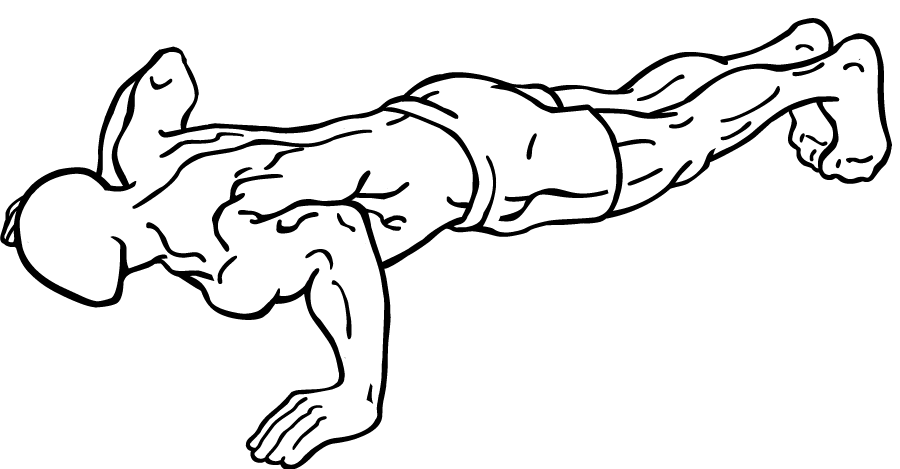
Movement-specific practice means rehearsing the activity ahead. For strength training, that might be a few comfortable squats without added weight before weighted squats, or an easier push-up before a harder variation. Think of this as an opportunity to check your setup, balance and control—not a test of strength. Skill rehearsal is a recognized component of warm-up routines. (stretchcoach.com)
Flexibility work focuses on range of motion. A static stretch holds a position; dynamic stretching uses controlled movement through a joint’s range. Neither should be confused with the entire warm-up. (stretchcoach.com)
For a straightforward walk, slower walking can provide both general preparation and activity-specific practice. For lifting, use a simple sequence: move easily, rehearse, then increase the challenge.
2. What warm-ups can—and cannot—promise
The research supports warm-ups as a way to improve some immediate performance outcomes. A 2010 systematic review and meta-analysis covering 32 studies found that adequate warm-up activities could improve performance, although the authors noted a shortage of well-conducted randomized trials. The included warm-ups involved more than stretching alone. (pubmed.ncbi.nlm.nih.gov)
That does not establish an ideal routine for every beginner. The review examined physical-performance tasks, not one standardized preparation method for ordinary walking and recreational lifting.
Performance and injury prevention are different questions. A 2015 systematic review of upper-body warm-ups found performance benefits from some approaches, but none of its included studies investigated injury-prevention outcomes. That was a gap in the evidence reviewed—not proof that warming up either prevents or causes injuries. (pubmed.ncbi.nlm.nih.gov)
Stretching is not universal injury insurance either. A 2016 review found no clear effect of static or assisted stretching on all-cause or overuse injuries. (stretchcoach.com)
Use preparation to ease into your session and check how movement feels. Do not use it to justify exercising through symptoms or choosing a load you cannot control.
3. How long and how hard should you warm up?
The American Heart Association recommends 5–10 minutes, using the planned activity at a slower pace, with longer preparation for more intense activity. Mayo Clinic also recommends 5–10 minutes of aerobic activity before lifting weights. These are practical recommendations, not a universal stopwatch rule. (heart.org)
For the examples below, keep the opening activity easy enough to speak comfortably. When your main walk becomes moderate-intensity exercise, the CDC’s rule of thumb is that you can talk but not sing. If you can say only a few words before pausing for breath, the activity is vigorous. (cdc.gov)
Before moving on, ask:
- Can I perform the movement without pain?
- Is my breathing comfortable?
- Am I moving with control rather than rushing?
- Do I feel prepared, rather than already tired?
Treat these as practical checks, not medical clearance. If a movement remains uncomfortable, do not assume that adding another five minutes will solve the problem.
4. A simple warm-up for a walking session
You usually do not need a separate exercise circuit before walking. Start by walking more slowly than your intended workout pace, as the American Heart Association recommends. (heart.org)
Worked example: a 20-minute walk
This is an illustrative session for someone who already finds this amount of walking manageable.
| Part | Time | What to do |
|---|---|---|
| Easy beginning | 5 minutes | Start slowly. Increase your pace gently toward the end. |
| Main walk | 10 minutes | Choose a manageable pace; for moderate effort, use the talk-but-not-sing check. |
| Easy finish | 5 minutes | Reduce your pace gradually rather than stopping abruptly. |
The slower beginning and finish follow American Heart Association guidance; the middle portion uses the CDC intensity check. The exact 20-minute arrangement is an example, not a research-tested formula. (heart.org)
Before leaving, check your route and footwear. Choose an opening stretch where you can walk easily without immediately tackling stairs, a steep incline or difficult footing.
No room to walk indoors? Marching in place is an equipment-free option included in the NHS warm-up routine. Keep the steps comfortable rather than turning them into vigorous high-knee exercise. (nhs.uk)
If 20 minutes is currently too much, choose a shorter, easier session. Guidance for inactive adults emphasizes starting with small amounts and building gradually; you do not need to force a brisk middle portion on your first outing. (newsroom.heart.org)


5. Do you need to stretch first?
You do not need to make a long static-stretching sequence the centerpiece of your preparation.
The 2016 stretching review found greater short-term performance reductions after static stretching totaling 60 seconds or more per muscle group than after shorter durations. When dynamic activity followed stretching, there was no clear performance effect. Its performance evidence concerned healthy, active participants and excluded studies of senior adults. (stretchcoach.com)
The practical interpretation is not “stretching is bad.” It is that stretching duration and the rest of the warm-up matter.
For an uncomplicated walk, begin with walking rather than adding stretches automatically. For strength training, prioritize practicing the movements ahead.
If flexibility work is part of your goals or a professional has recommended particular stretches, keep it purposeful. You can place longer flexibility work separately rather than letting it crowd out the workout.
Stretching should produce tension, not pain. Avoid bouncing or forcing a position. (heart.org)
6. A simple warm-up for a strength session
For strength training, combine easy activity with practice of the exercises you are about to perform.
Mayo Clinic recommends general activity before lifting, controlled movement and attention to technique. It also advises stopping when an exercise causes pain. (sportsmedicine.mayoclinic.org)
Worked example: preparing for squats and push-ups
Equipment: No exercise equipment is required for the warm-up. Use a clear floor area and a solid wall that can safely support a wall push-up.
Step 1: Move easily for about five minutes.
Walk around the room or march in place. Start gently and gradually make the movement a little more purposeful. Walking and marching are established warm-up options. (heart.org)
Step 2: Practice five comfortable bodyweight squats.
Use a depth you can control. Move without rushing and stop before the repetitions become difficult. If that version is challenging, try a shallower knee bend instead of forcing greater depth.
Step 3: Practice five wall push-ups.
Place your hands on the wall, bend your elbows to bring your body toward it, then press away. Keep the movement controlled. Choose a position close enough to the wall that these repetitions feel easy.
The repetition counts and sequence are illustrative—not an established optimal dose.
Step 4: Prepare for the actual working variation.
If your workout uses a harder push-up, rehearse a few comfortable repetitions of an easier version first. If you will use weights, practice with a clearly manageable lighter load before approaching the planned working load.
Pause between practice sets until you feel ready. Do not rush because the warm-up seems “too easy”: easy is intentional here.
For a heavier or unfamiliar exercise, add intermediate practice rather than jumping directly from an unloaded movement to the full challenge. Ask a qualified exercise professional for help if you do not know how to set up or perform the lift.
Useful distinction: These practice sets check movement and readiness. They are not a promise of better performance. Warm-up research includes specialized athletic protocols that should not automatically be copied into a beginner routine. (pubmed.ncbi.nlm.nih.gov)

7. Common mistakes that make preparation less useful
Doing the same unrelated routine before every workout.
Choose preparation that resembles what comes next. Slower walking is directly relevant to walking; exercise rehearsal is relevant to the movements you plan to perform. (heart.org)
Turning the warm-up into a fitness test.
For these beginner examples, avoid exhausting circuits, difficult push-up sets or repeated jumps. Keep the opening work deliberately manageable.
Starting strength work too heavily.
Use lighter practice to check control. If technique breaks down, reduce the challenge rather than assuming more warm-up will make the load appropriate. Mayo Clinic emphasizes correct technique over the amount lifted. (sportsmedicine.mayoclinic.org)
Treating the timer as permission to ignore symptoms.
Finishing five or ten minutes does not mean you must continue. Stop an exercise that causes pain or makes you unwell. (nhs.uk)
Adding preparation because it looks sophisticated.
Before adding another drill, ask: “What part of today’s session is this preparing me for?” If you cannot answer, leave it out of this simple routine.
8. Safety limits and your final readiness check
These examples are not designed for injury rehabilitation, pregnancy or postpartum recovery, or situations requiring individualized exercise advice.
Get professional guidance if you have an injury, concerning symptoms, a recent operation or health event, or uncertainty about whether the exercises suit you. People with known heart disease should obtain medical guidance before starting a new exercise program. (nhs.uk)
Stop and seek medical assessment for symptoms such as chest pain or pressure, lightheadedness, or unusual breathlessness during activity. Do not try to “warm through” them. (newsroom.heart.org)
Before the main session, make one final check:
- The space, route and equipment are ready.
- The opening movements are controlled and pain-free.
- You have selected a manageable pace or exercise variation.
- You are willing to reduce or stop the session if symptoms appear.
Bottom line: Start easier than you intend to finish. For walking, gradually increase your pace. For strength training, add easy practice of the actual exercises. Keep stretching purposeful, and keep preparation simple enough that you will consistently do it.